
Transforming PET recycling residues into revenue
BORETECH unveils its new-generation PURIFINES system
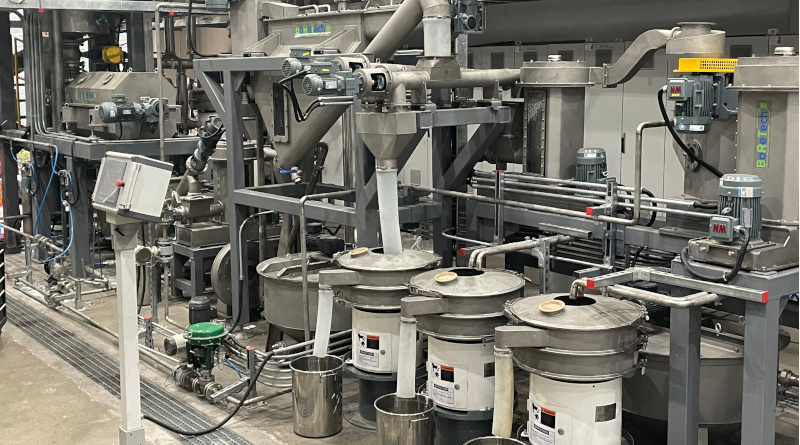
BORETECH, a global leader in plastic recycling technologies, has successfully completed testing of its new-generation PURIFINES in-line recycling process. Designed to address significant yield loss in PET bottle recycling lines, this system is claimed to enable the conversion of previously discarded PET fines and powders into high-value, market-ready recycled PET material.
It is one of the key challenges in PET bottle recycling: the operational cost increase due to processing losses. In a PET recycling facility processing 50,000 t/a of PET bottles, about 3-4% of the input material becomes small size flakes and powder. Approximately half of this material traditionally holds no commercial value, requiring recyclers to pay additional fees for its disposal.
BORETECH’s new PURIFINES system tackles this issue directly. Up to 70% of fines and powders generated during crushing, hot washing, and dewatering, can now be recovered and, through a specialised process, transformed into rPET. “What was once a disposal cost is now converted into a new profit stream, significantly enhancing a plant’s competitiveness,” says the company.
Designed for seamless integration into existing PET bottle recycling production lines, the system combines in-line filtration, precise separation, and intensive washing technologies. The output is claimed to be a clean, consistent rPET material that meets the high-quality standards required for downstream applications, matching the grade of rPET produced by the main PET washing line.
The key economic advantage of the PURIFINES system lies in its compelling cost-effectiveness. The operational cost of the complete process – transforming waste into a sellable product – is substantially lower than the prevailing market price for premium rPET flakes, says BORETECH. This ensures a considerable and rapid Return on Investment (ROI) for recyclers.
The commercial launch of the new-generation PURIFINES system is scheduled for the first quarter of next year.